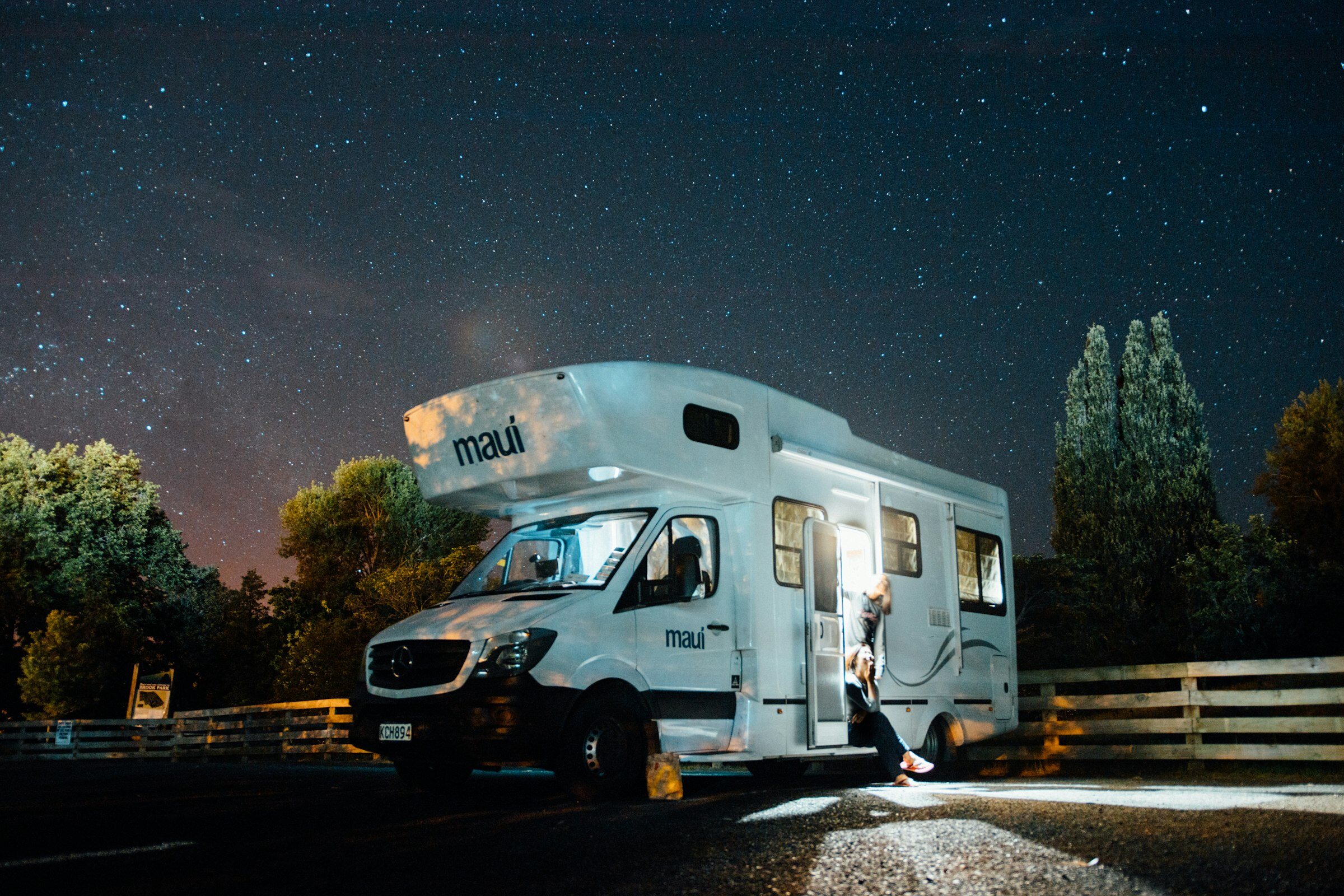
Class C motorhome parked under a night sky full of stars
The ArmorThane RV Roof Method

One seamless roof.
Zero seams to fail.

A single spray-applied polyurea membrane — bonded down, wrapped around every vent and built to flex with the road.

1–2 days on siteTypical ArmorThane RV roof
  • ArmorThane — spraying since 1989
  • Springfield, Missouri HQ
  • Applicators in 50+ countries
  • $0 franchise fee · 0% royalties
  • 24/7 technical support
  • Seamless, monolithic membrane
Why we exist

Every seam on an RV roof is a future leak. The ArmorThane method replaces seams, laps and caulk with one continuous polyurea membrane — and gives the people who spray it a business they own.

Seals out water Flexes with the road UV-stable topcoat Field-repairable
The problem

Why RV roofs fail.

Most RV roof leaks don't start in the middle of the roof. They start where something was joined, sealed or screwed down — and that's exactly where the ArmorThane method removes the weak point.

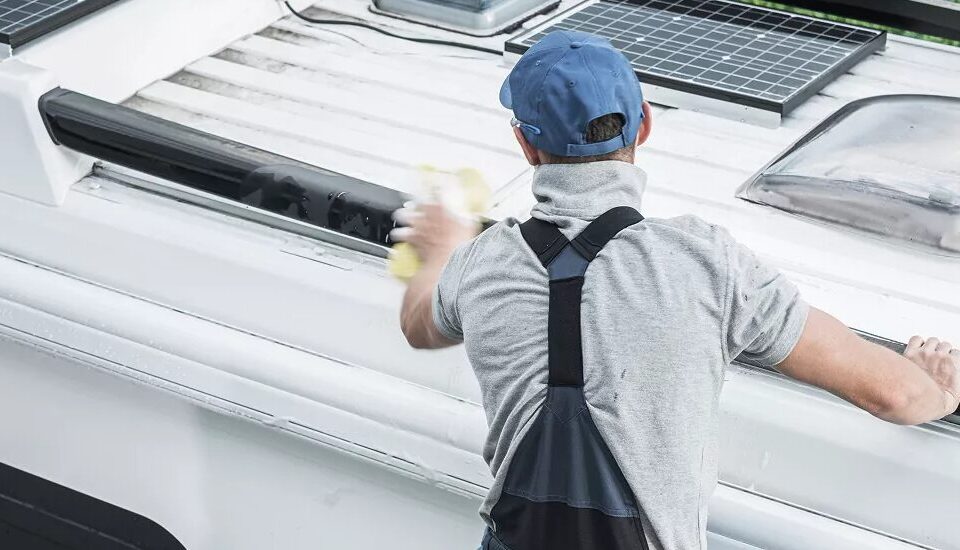
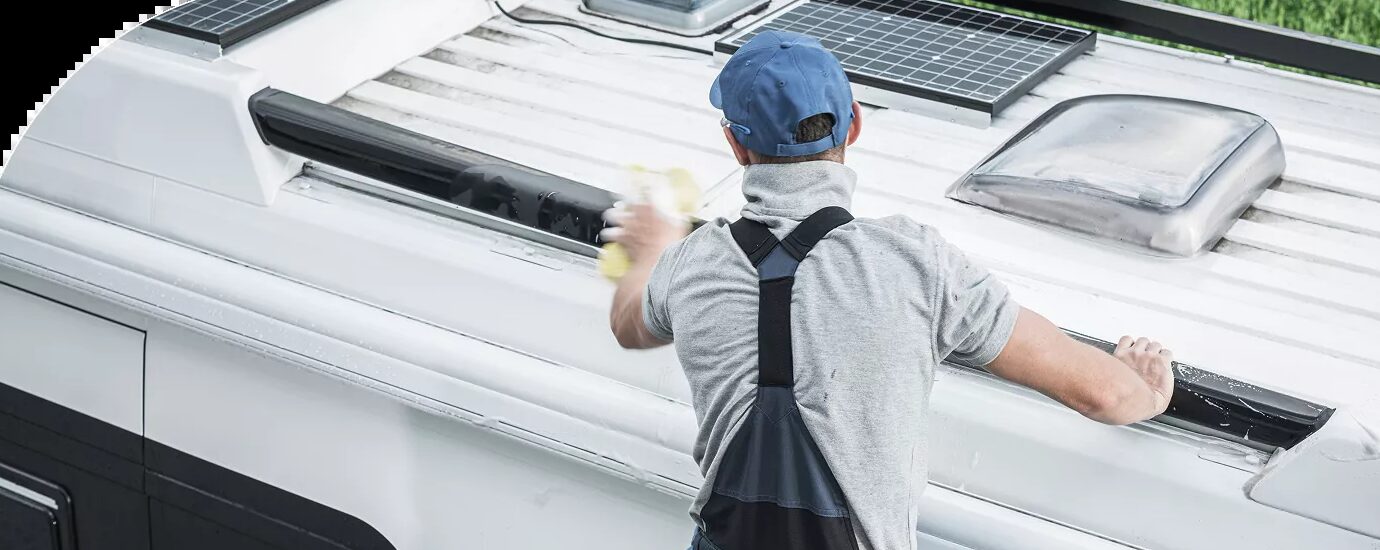
Technician inspecting seams and vents on an RV roof
InspectionLeaks hide at every penetration.

Seams & laps

Membrane roofs are pieced together. Every lap and edge is held by sealant that has to be maintained forever.

Sealant breakdown

Sun and heat dry out lap sealant and caulk around vents, skylights and AC units until water finds a path.

Flex & vibration

An RV roof twists on every mile. Rigid or thin coatings crack; joints open up.

The fix: no seams at all

Spray polyurea forms one monolithic membrane that stretches several hundred percent before it breaks.

How it works
The ArmorThane method

Five steps. One membrane.

The same tried-and-true process ArmorThane applicators use on every RV roof — from the first walk of the roof to the final sign-off.

Technician inspecting seams and vents on an RV roof
Step 01

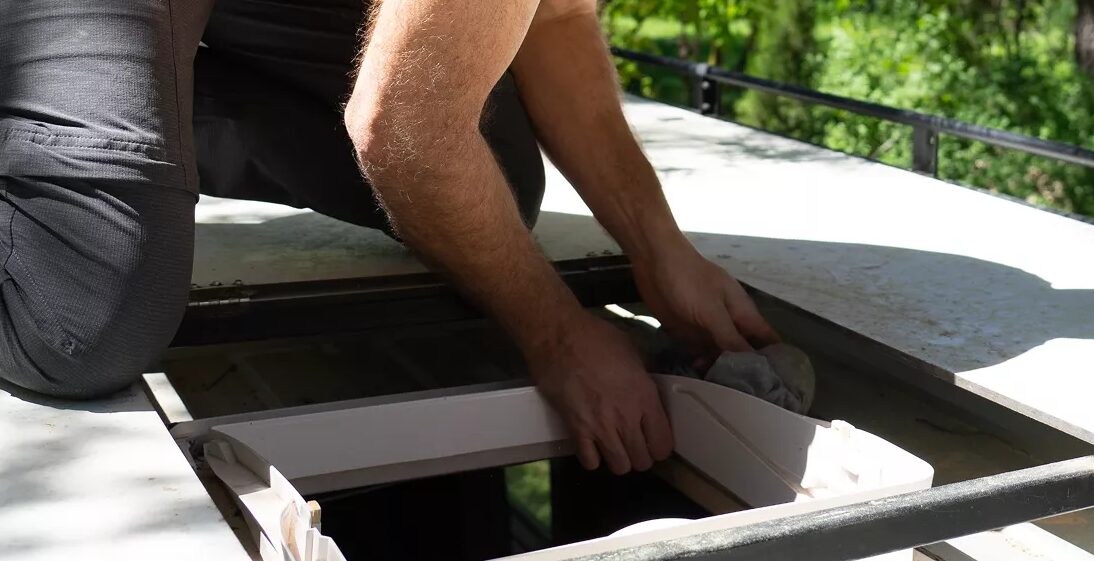
Inspect & map the roof

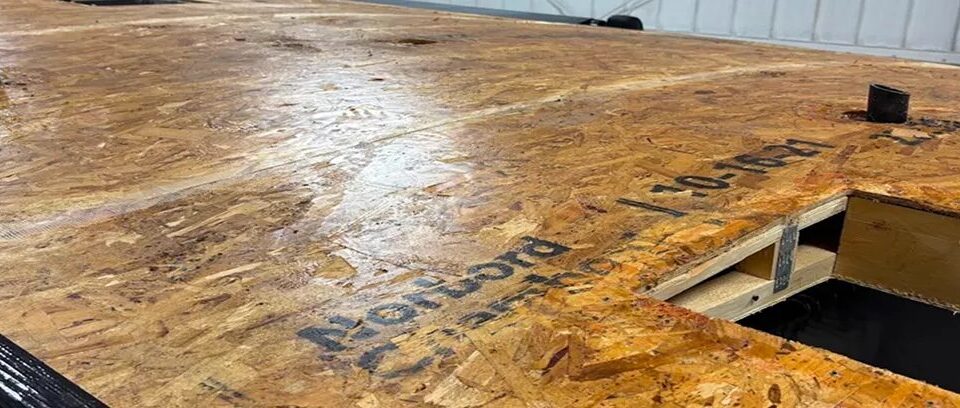
Every vent, seam, AC shroud, skylight and soft spot gets mapped. Water-damaged decking is cut out and replaced first — polyurea seals whatever is underneath it, so the deck has to be sound and dry.

Moisture checkDeck repairPenetration map
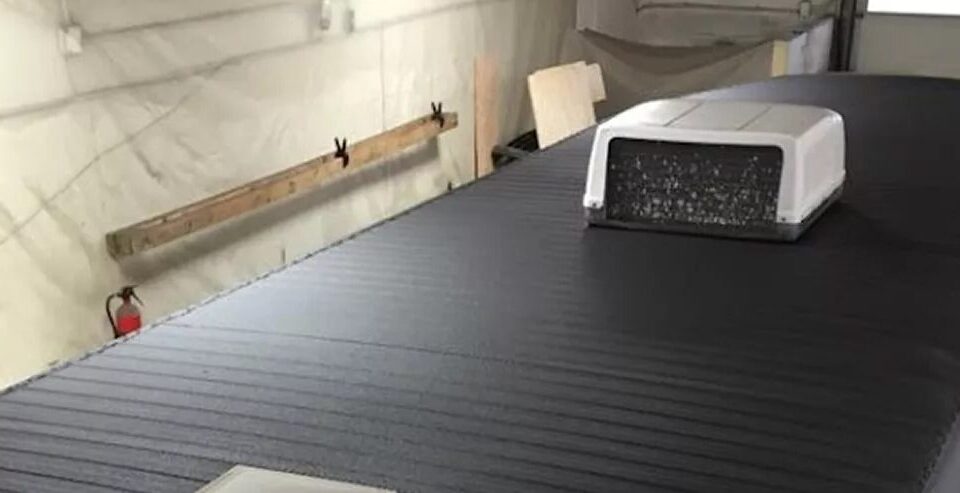
Hands prepping a roof vent opening before coating
Step 02

Prep, clean & mask

Failed lap sealant and loose membrane are removed, the surface is cleaned and scuffed, and sidewalls, windows and fixtures are masked. Rubber roofs like EPDM are low-surface-energy substrates, so they get substrate-specific prep.

Sealant removalScuff & cleanMasking
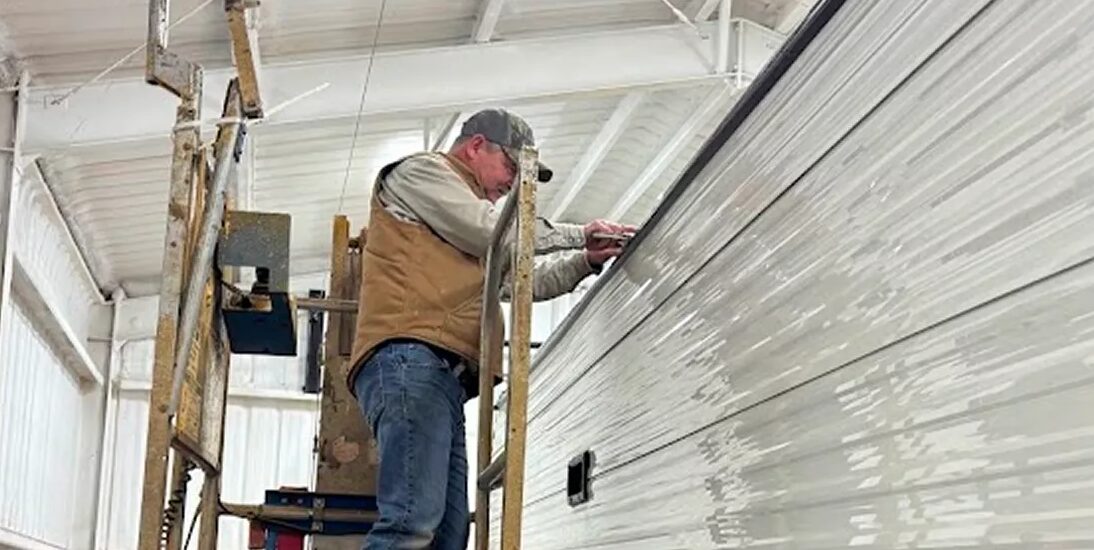
Applicator working along the side of a travel trailer in the shop
Step 03

Prime for the bond

A bonding primer matched to the roof material is applied so the membrane locks to the substrate. ArmorThane treats prep and primer as critical — moisture or contamination left behind is what causes blisters later.

Substrate-matched primerMoisture control
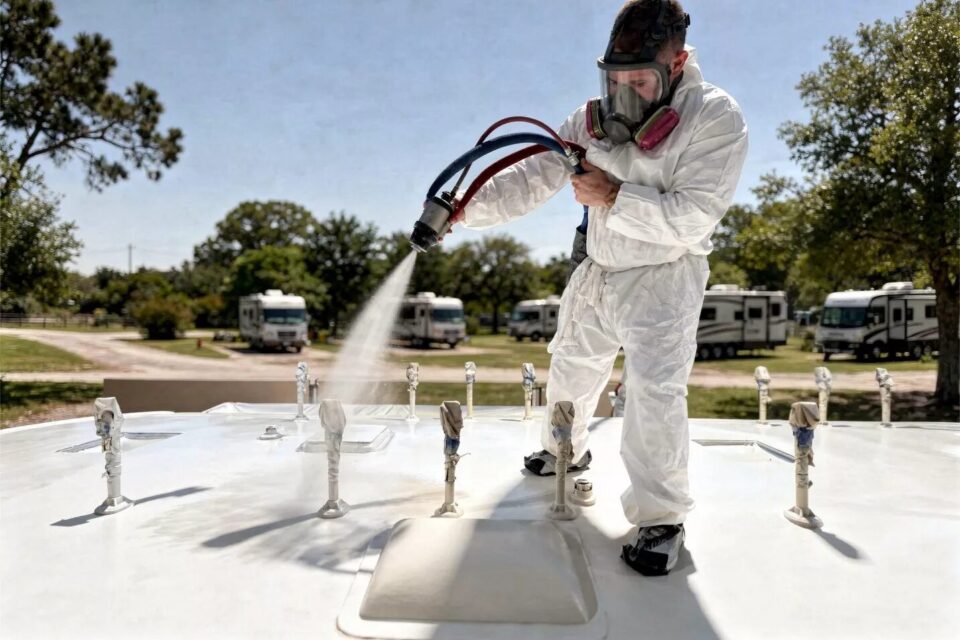
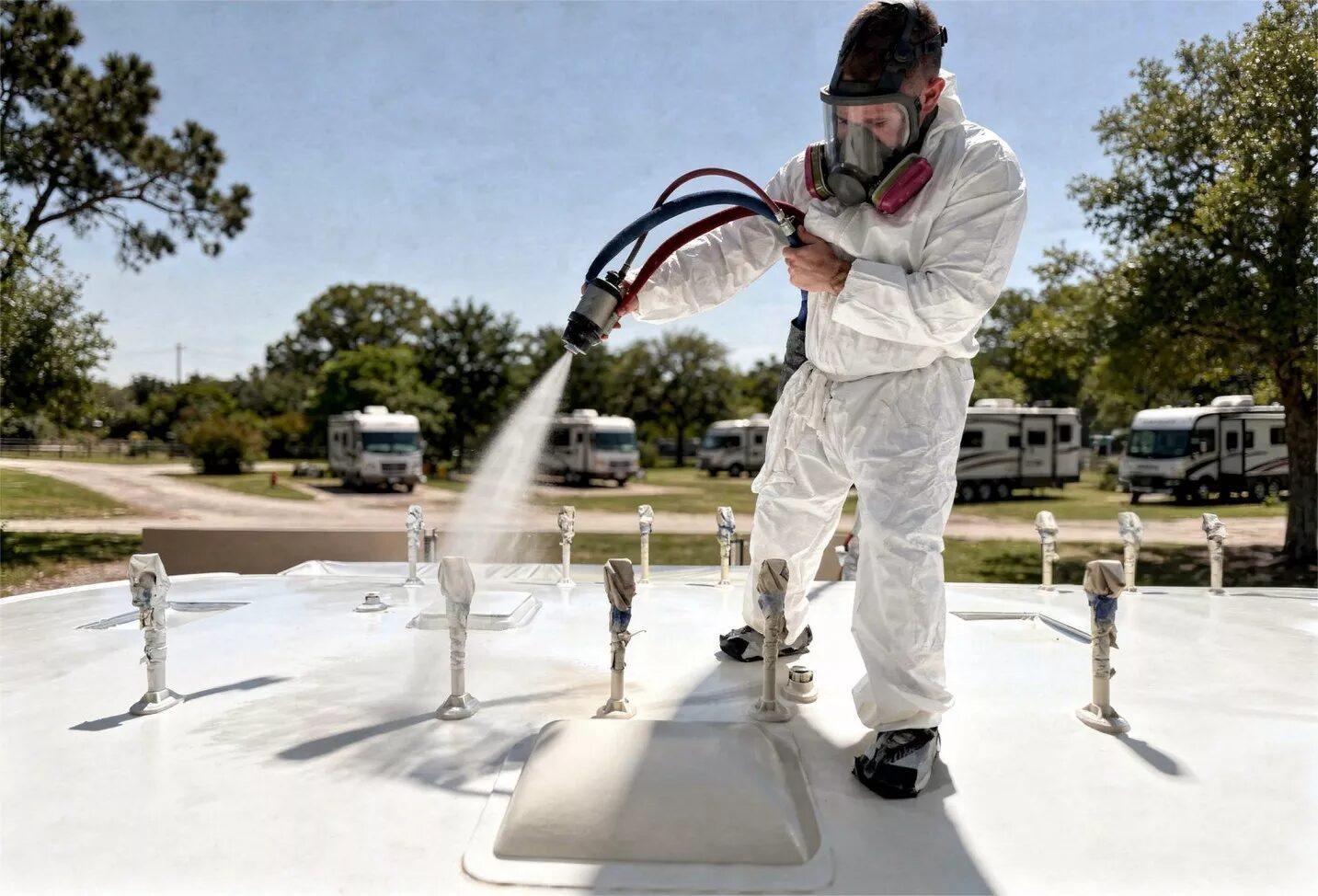
Applicator in protective gear spraying white polyurea on a roof
Step 04

Spray the seamless membrane

Heated, plural-component equipment sprays polyurea at roughly 2,000–3,000 psi with material at 150–160°F. It wraps edges, vents and fixtures in a single monolithic membrane that stretches several hundred percent before it breaks, and is tack-free in about an hour.

2,000–3,000 psi150–160°FTack-free ≈ 1 hr
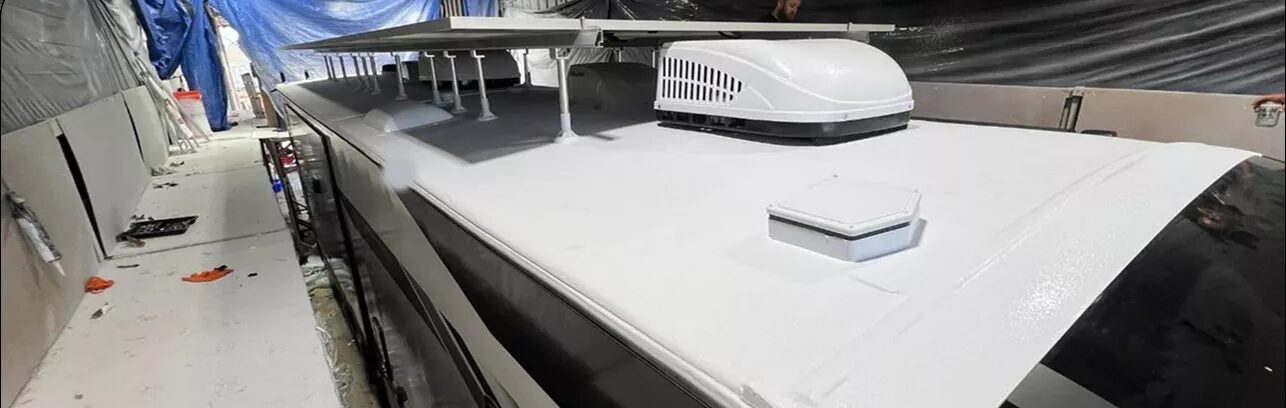
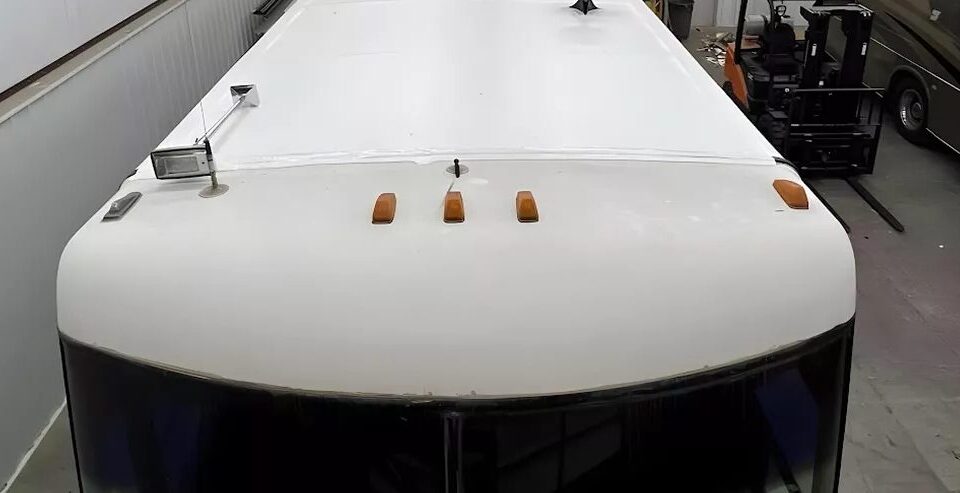
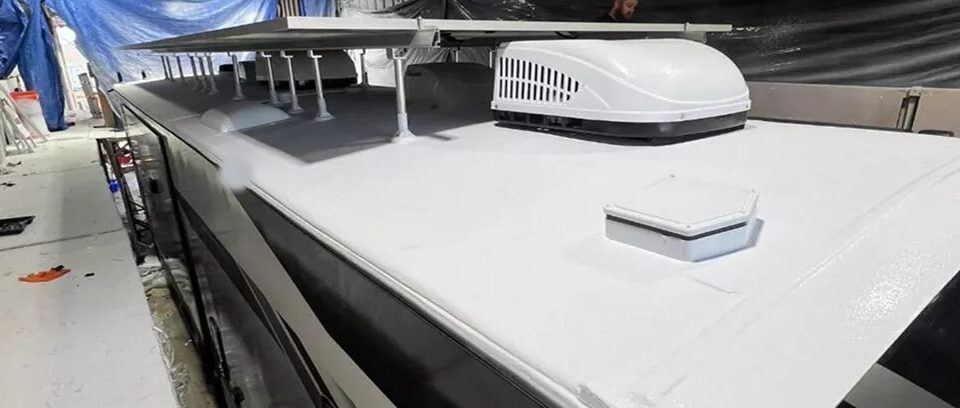
Long RV roof finished in white polyurea inside a coating shop
Step 05

Topcoat, reinstall & sign off

A UV-stable topcoat goes over the base membrane to protect it from sun exposure. Fixtures are reinstalled, the roof gets a final inspection, and most RVs are back on the road after one to two days on site.

UV-stable topcoat1–2 days on site
Compare your options

Spray, roll or replace?

An honest side-by-side of the three ways RV owners deal with a tired roof.

Swipe to compare

Feature Best overallArmorThane spray polyurea★★★★★ Roll-on / brush coatings★★★★★ Membrane replacement★★★★★
Seams on the finished roof None — one monolithic membrane No seams, but a thin film Laps and seams held by lap sealant
Strength Tensile strength in the thousands of psi* A couple hundred psi for typical acrylics* Depends on the sheet installed
Flexes with the road Stretches several hundred percent Thin films can crack with movement Sheet flexes; sealed seams are the weak point
Time on site 1–2 days; tack-free in ~1 hour Multiple coats with dry time between Tear-off and full re-install
Ongoing upkeep Annual inspection Periodic re-coats Re-seal laps and fixtures regularly
Expected service life 20+ years expected* Short re-coat cycles Varies with membrane and upkeep

*Figures as cited by ArmorThane. Our ratings are editorial and reflect the roof's long-term resistance to leaks.

Be your own boss

Turn one rig into a business you own.

ArmorThane has been building applicators since 1989. You get the equipment, the training and the tech support — and you keep the business. No franchise. No royalties. No one to answer to but your customers.

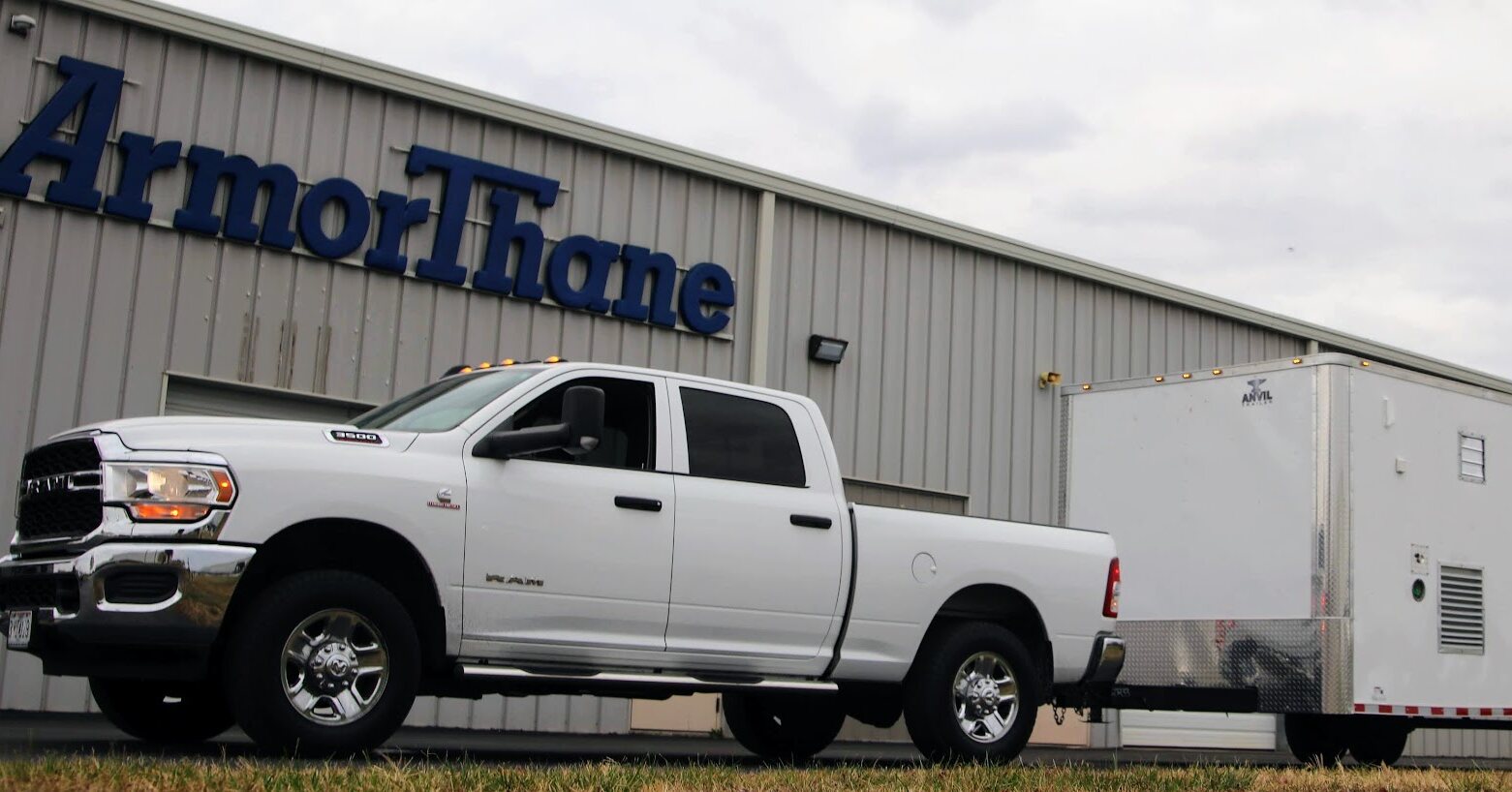
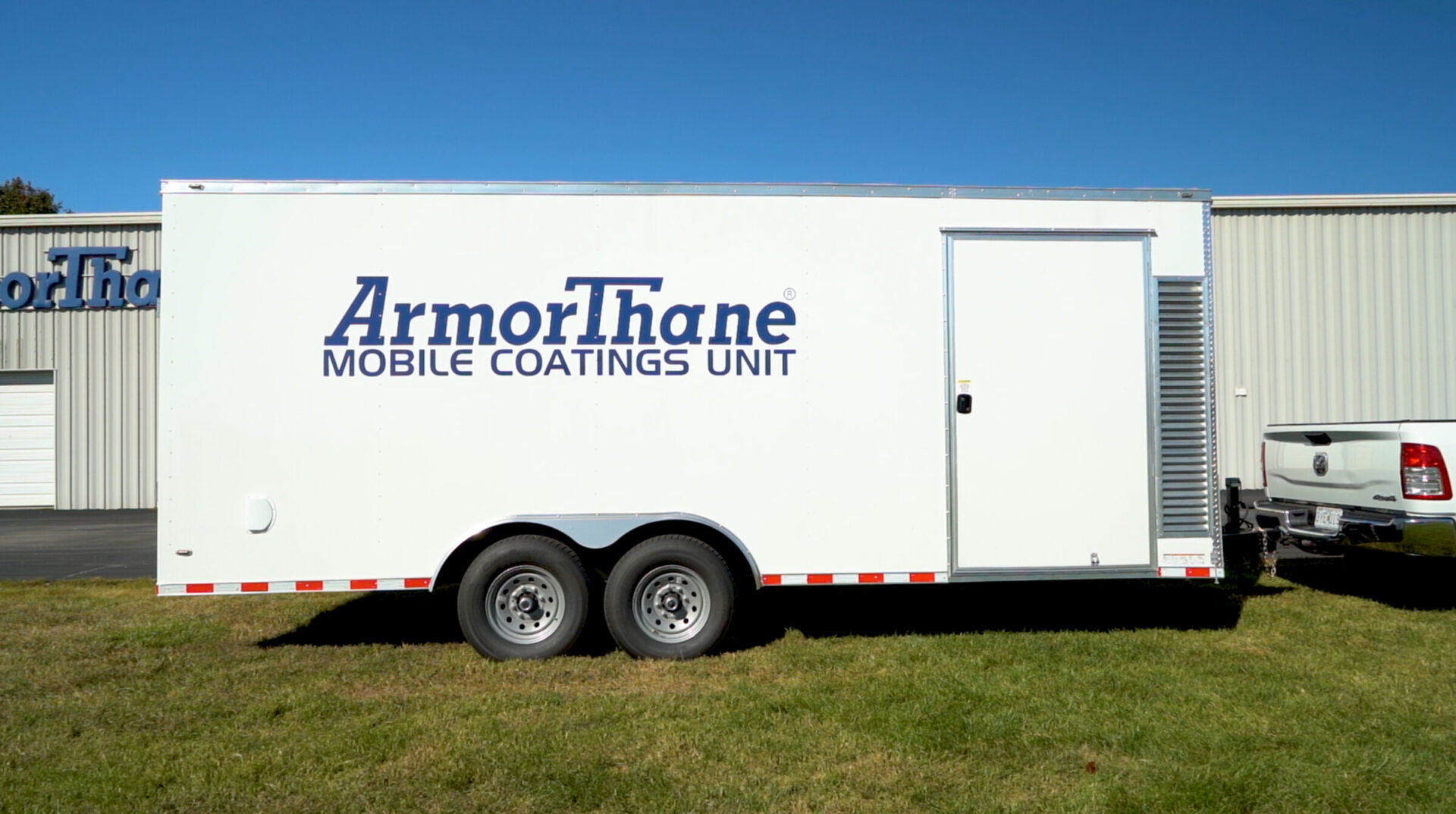
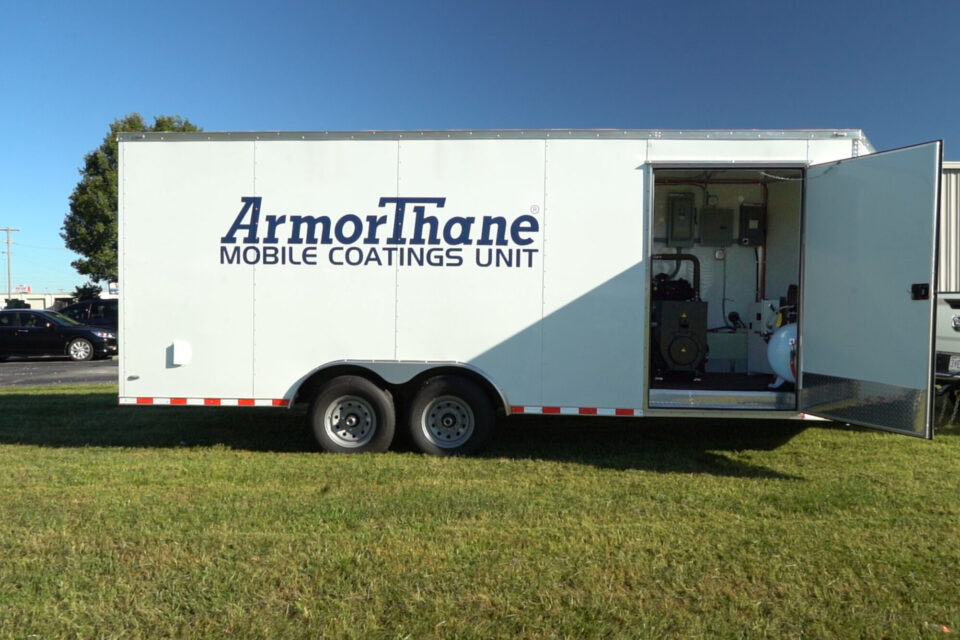
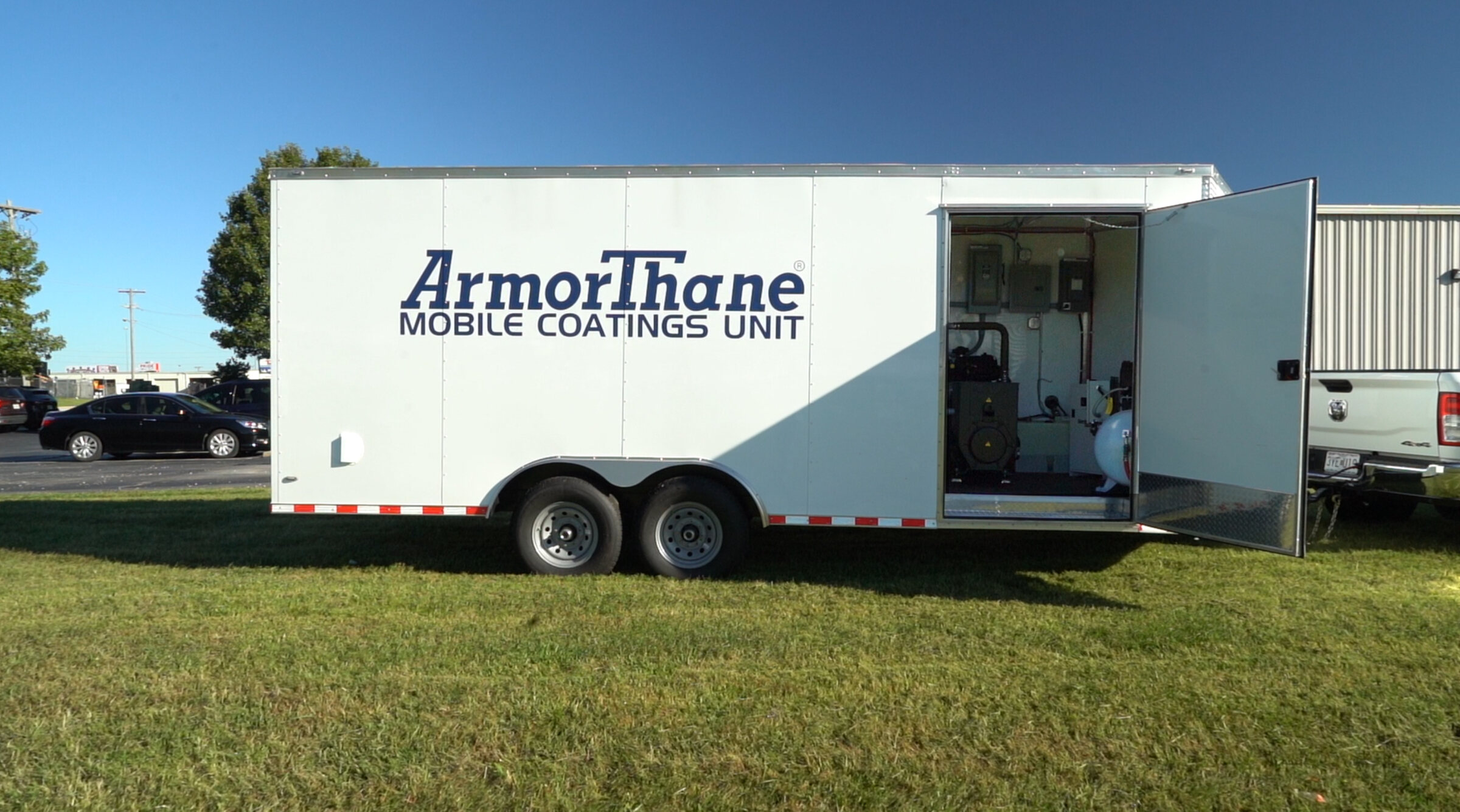
Mobile coatings rig parked at ArmorThane headquarters
$0Franchise fee
0%Royalties on your sales
30Day goal, order to training
24/7Technical support line

Run your numbers

Drag the sliders to model an RV roof business.

130
$2,000$10,000
15%60%
Equipment package
Estimated annual revenue $480,000
Monthly revenue$40,000
Gross after materials / yr$312,000
Jobs to cover equipment8
Months to cover equipment1.0

Illustrative only — not a guarantee of earnings. ArmorThane cites typical RV roof quotes of about $3,500–$7,000 for a 30-ft RV. Labor, travel, insurance, overhead and taxes are not included; your results depend on your market and how you run your business.

The Journal

Field notes on RV roofs.

All articles
FAQ

Questions, answered.

Still wondering about something? Ask us directly.

What is the ArmorThane RV roof method?

It replaces seams, laps and caulk with a single spray-applied polyurea membrane. The roof is inspected and repaired, prepped, primed, sprayed with heated plural-component polyurea, then finished with a UV-stable topcoat.

Which RV roofs can be coated?

Most common RV roof types — rubber (EPDM/TPO), fiberglass and aluminum — can be coated when the substrate gets the right prep and bonding primer. Your applicator confirms compatibility during the inspection.

How long does it take?

Typically one to two days on site. The polyurea itself is tack-free in about an hour; most of the time goes into inspection, repair and prep.

What does a spray polyurea RV roof cost?

ArmorThane cites typical quotes of roughly $3,500–$7,000 for a 30-foot RV. Size, roof condition and any deck repair move the number.

How long will it last?

ArmorThane cites an expected service life of 20+ years for a properly applied system — because there are no seams or lap sealant to break down.

ArmorThane Mobile Coatings Unit parked on grass
Be your own boss

Your roof business starts with one roof.

No franchise fee. No royalties. Hands-on training, certification and a 24/7 tech line behind every job you spray.

Talk to us